

Some swimming pool leak detections begin with very obvious warning signs. A homeowner may report dramatic water loss over a short period, or a pool company may already suspect a broken underground plumbing line before the inspection even begins. In some situations, visible cracking, shifting decking, wet soil, or equipment issues immediately point technicians toward the likely source of the problem.
And then there are the leak detections that begin with almost no useful information at all.
That was the situation during this swimming pool leak-detection appointment at Breakers West. When we arrived at the property, there was very little background information available about the pool or spa’s behavior. There was no confirmed leak history, no documentation of previous repairs, and no indication whether the water loss involved the plumbing system, the structure, or the equipment itself. From the surface, the pool and attached spa appeared relatively normal. The water was clear, the finishes looked sound, and no immediate visual indicators were suggesting a major failure beneath the surface.
But one of the most important realities of professional swimming pool leak detection is that severe leaks are not always immediately obvious. Some of the most significant water-loss issues can remain almost completely hidden during the early stages of an inspection, especially when the leak occurs behind the structure rather than through an exposed plumbing failure or a visible crack. That is exactly why experienced leak-detection professionals rely on a systematic process rather than assumptions. Every pool must be evaluated step by step until the evidence clearly reveals where the water is escaping and why.
Beginning the Leak Detection Process
Like most professional swimming pool leak detections, the inspection began with the standard diagnostic process of acoustic testing and dye testing. Before pressure gauges are connected or plumbing lines are isolated, experienced technicians typically start by listening to the pool carefully and examining the most common structural failure points for signs of active water movement.
The first stage of the inspection involved using a hydrophone to listen for underground turbulence and pressure-side plumbing leaks. Hydrophones are highly sensitive underwater listening devices that amplify the sound of escaping water beneath the surface of the pool. In many situations, broken plumbing lines create distinct acoustic signatures that allow technicians to narrow down the likely location of the leak relatively quickly.
In this particular case, however, the hydrophone inspection revealed almost nothing. There was no strong turbulence beneath the pool, no aggressive underground pressure-side noise, and no immediate indication that a major plumbing line was actively leaking somewhere beneath the deck. The entire system sounded unusually calm during the acoustic portion of the inspection.
After completing the hydrophone inspection, attention shifted toward dye testing. Dye testing allows technicians to visually confirm water movement through structural defects such as cracks, separations, failed penetrations, or compromised fittings. During this phase of the inspection, the typical problem areas were evaluated carefully, including the skimmers, returns, and visible structural transitions.
Again, the inspection revealed very little initially. No major structural cracks aggressively pulled dye, and none of the common leak points immediately suggested a severe structural issue. At that stage, the pool did not appear to have an obvious catastrophic leak. But professional leak detection is rarely about finding instant answers. More often, it involves systematically eliminating possibilities until the true source of water loss finally reveals itself.

Dye Testing Kit
Used to visually identify structural swimming pool leaks.
As an Amazon Associate, I earn from qualifying purchases.
View on AmazonDiscovering the Leak Behind the Spa Light
As the inspection continued, preparation began for pressure testing the plumbing system. Like many professional leak-detection inspections, this involved diving into both the pool and the spa to begin plugging underwater plumbing lines before testing could begin. During that process, experienced technicians naturally inspect the structure as they move through the pool. Lights, drains, fittings, and visible penetrations are often checked during this phase simply because many major leaks can sometimes be identified before pressure testing is even completed.
That routine inspection process is what ultimately changed the direction of this entire leak detection.
After briefly examining the pool drain and finding nothing significant, attention shifted toward the spa light assembly. The spa light was removed from the niche for a quick visual inspection, and almost immediately, it became obvious that a major issue was behind the housing. Water movement could be seen escaping through the conduit opening located at the rear of the niche — the exact location where the electrical conduit travels underground toward the junction box.
Once the niche was examined more closely, it also became clear that this was not a new problem. Previous repair attempts were visible inside the light housing, including old epoxy and deteriorating butyl tape packed around the conduit opening from earlier efforts to stop the leak. Over time, those repairs had clearly failed, allowing water to begin migrating behind the structure again.
This type of leak is extremely common in older swimming pools and attached spas. The conduit opening behind a pool or spa light is located in one of the most demanding environments in the structure. Constant water pressure, structural movement, vibration, temperature fluctuations, and simple age gradually weaken the original conduit seal. Once that seal begins to fail, water can escape behind the gunite shell and disappear into the surrounding soil and underground voids without producing dramatic visible symptoms on the surface.
In many cases, homeowners assume the leak is coming from the light fixture itself — the gasket, face ring, or electrical cord — when in reality the failure occurs entirely behind the niche, where the water cannot be seen from inside the pool. Severe conduit leaks can allow substantial amounts of water to escape silently behind the structure for long periods of time before the issue is finally discovered.
Why the Hydrophone Did Not Clearly Identify the Leak
One of the more interesting aspects of this inspection was that the hydrophone never clearly indicated the severity of the leak during the initial acoustic testing, to many homeowners, that can feel surprising, because hydrophones are often viewed as the primary tool for locating hidden leaks inside a swimming pool system.
In reality, different types of leaks behave very differently underwater.
Hydrophones are exceptionally effective at identifying turbulent underground plumbing failures and concentrated pressure-side leaks. Structural conduit leaks behind light niches, however, can produce significantly softer acoustic signatures. Water movement behind the shell may be relatively diffuse rather than highly turbulent, and previous repair materials surrounding the conduit opening can further reduce the sound signature underwater.
That was likely the case during this inspection. Despite the severity of the water loss occurring behind the spa niche, the leak itself remained relatively quiet during the hydrophone inspection because the water was migrating behind the structure rather than escaping aggressively through a pressurized plumbing line.
This is exactly why professional swimming pool leak detection should never rely on a single testing method alone. Accurate diagnostics typically require multiple testing methods working together, including acoustic inspections, dye testing, visual evaluations, underwater structural inspections, and plumbing pressure testing. No single tool provides the full picture on its own.

Precision Leak Detection Storefront
Professional leak detection tools and equipment we use in the field every day.
As an Amazon Associate, I earn from qualifying purchases.
Visit StorefrontContinuing the Inspection After Finding the Leak
Even after identifying the failed spa conduit, the inspection was far from complete.
One of the most important principles in professional leak detection is understanding that finding one leak does not automatically eliminate the possibility of additional problems elsewhere within the system. Older swimming pools frequently develop multiple independent failures over time, including structural leaks, suction-side leaks, underground plumbing issues, and compromised fittings, all occurring simultaneously.
For that reason, every accessible plumbing line still needed to be isolated and pressure tested individually to determine whether any additional underground leaks existed within the pool or spa plumbing system.
Once the plumbing system was fully plugged and isolated, pressure testing began across the pool and spa. The skimmer line, vacuum line, and pool main drain were pressure-tested together and successfully held approximately 15 PSI without any indication of underground leakage.
Attention then shifted to the spa jet system, which initially confused because the line would not build pressure at all. Under normal circumstances, that type of result could immediately suggest a broken underground plumbing line. But older spas often use venturi-style air-induction systems rather than dedicated electric blowers, which significantly alter the pressure-testing dynamics.
As water rushes through venturi-style spa jets, suction is created that pulls air through separate intake pathways, generating the bubbling massage effect homeowners are familiar with. During pressure testing, however, those venturi air pathways must also be sealed properly, or pressure will escape instantly through the induction system.
Once the venturi lines were identified and plugged correctly, the spa jet system immediately stabilized and maintained normal pressure.
The remaining plumbing lines also passed inspection. By the conclusion of testing, every accessible plumbing line held approximately fifteen PSI with no indication of underground failure. The only plumbing component that could not be safely pressure-tested was the spa drain, as the drain-cover screws were severely stripped, preventing the line from being isolated.
At that point, the larger diagnostic picture became clear. The plumbing system itself was functioning properly, and the primary source of water loss was the failed spa light conduit.
Attempting a Temporary Spa Light Repair
After completing the diagnostic portion of the inspection, attention returned to the leaking spa niche itself. A temporary repair was attempted using butyl tape to reduce water loss and stabilize the conduit.
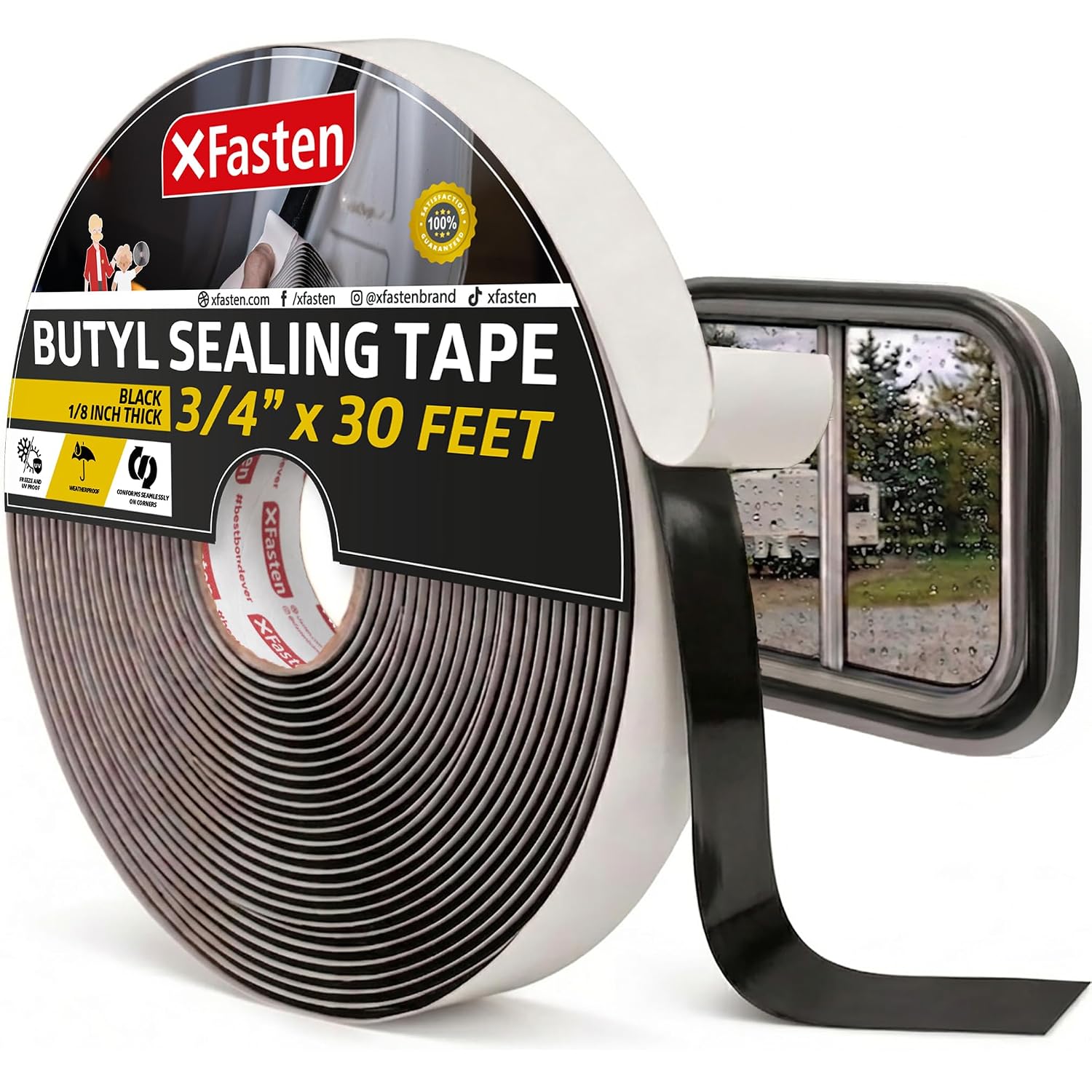
Butyl Tape
Commonly used for underwater swimming pool light leak repairs.
As an Amazon Associate, I earn from qualifying purchases.
View on AmazonSpa light conduit repairs are often significantly more difficult than they appear from outside the pool. The interior of a spa light niche is extremely confined, and once a technician begins working behind the housing, visibility becomes very limited. Much of the repair process relies heavily on feel rather than direct sight because the opening is too small to clearly see behind the conduit while your hand is inside the niche. Packing sealing material properly around the conduit opening and electrical wiring can become frustrating even for experienced divers.
This inspection also highlighted one of the most common problems with temporary swimming pool repairs. Materials such as epoxy and pool putty are often used as quick fixes for leaking niches and conduit penetrations, but many of these repairs eventually fail. Structural movement, vibration, water pressure, and temperature fluctuations gradually separate rigid repair materials from the surface until the leak eventually returns.
In situations involving severe conduit failures, more permanent repairs often require lowering or draining the spa and applying a flexible marine-grade sealant such as Loctite marine silicone after thoroughly cleaning the niche and removing all previous repair material. Flexible marine-grade sealants generally perform far better long-term than repeated underwater tape or epoxy applications because they tolerate movement and expansion far more effectively.
The Importance of a Complete Diagnostic Process
What made this leak detection particularly interesting was how quietly the problem initially presented itself. The hydrophone inspection revealed very little during the early stages of testing. Dye testing did not immediately expose a catastrophic structural issue. From the surface, the pool and spa appeared relatively stable.
And yet behind a single spa light niche, a major leak was allowing water to escape unseen behind the structure.
That is one of the most important realities of professional swimming pool leak detection. Serious leaks are not always dramatic or immediately obvious. In many situations, accurate diagnostics are only possible through a complete, systematic process that combines multiple testing methods with careful observation and real-world field experience.
Professional leak detection is not about quick guesses or assumptions based on limited information. It is about narrowing possibilities step by step until the true source of water loss is identified with clarity and accuracy.
Need Professional Swimming Pool Leak Detection?
At Precision Leak Detection, we specialize exclusively in professional swimming pool leak detection using hydrophone inspections, dye testing, scuba-assisted structural evaluations, and plumbing pressure testing to identify hidden swimming pool leaks accurately.
We proudly service Palm Beach, Lake Worth Beach, Wellington, Palm Springs, and surrounding South Florida communities.
Whether your swimming pool is losing water due to a hidden conduit failure, an underground plumbing issue, a structural crack, or a complex spa leak, accurate diagnostics and detailed documentation remain the foundation for repairing the problem correctly the first time.


